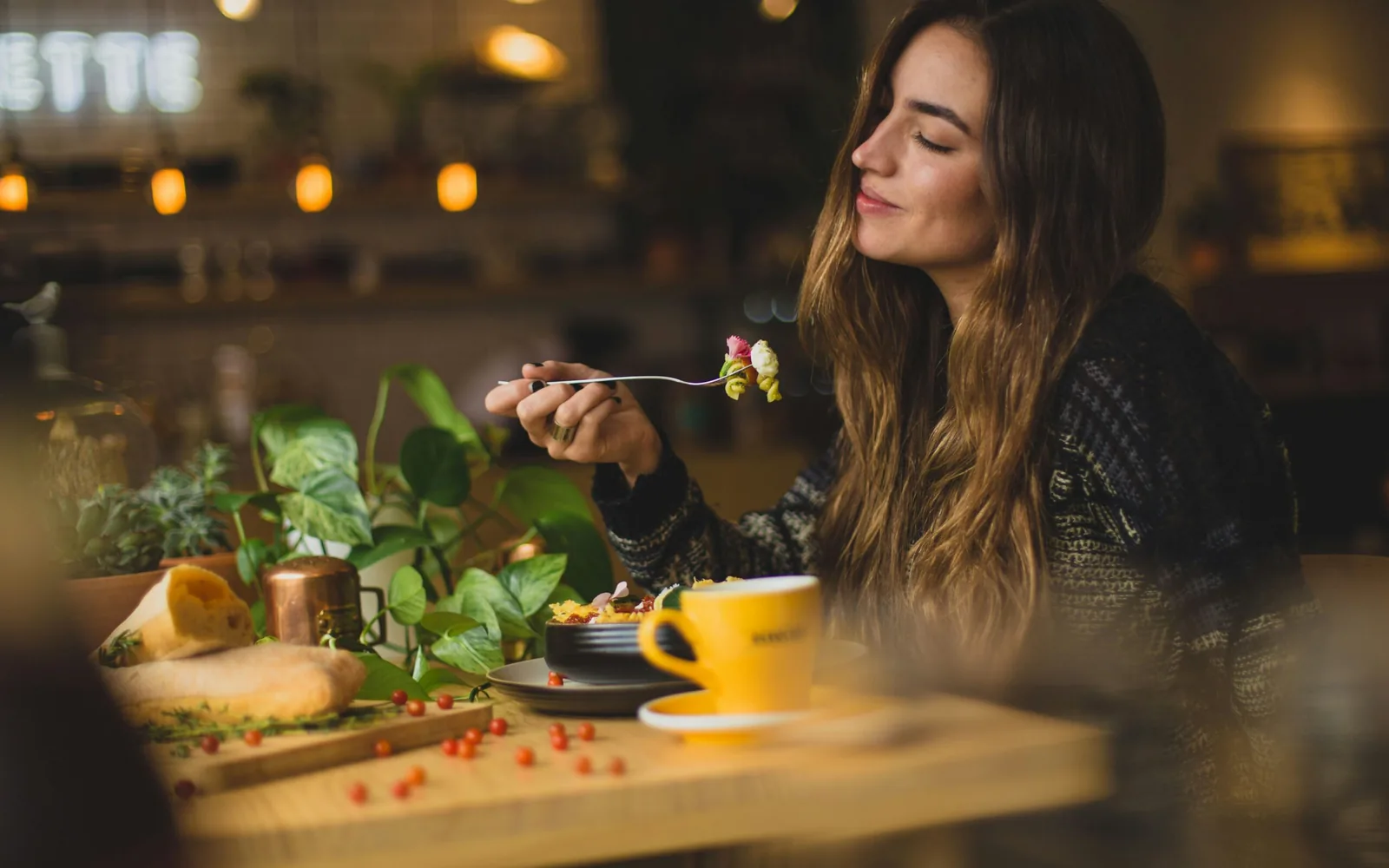
The hostess asks "just one?" and something in your chest tightens for half a second, every single time, no matter how many times you've done this before. Then you say yes, and she leads you to a table — sometimes a good one, sometimes the one wedged next to the kitchen door, depending on how busy the place is and how much thought went into where solo diners belong.
That half-second of tension is the whole obstacle. Not the meal. Not actually being alone at the table. Just that one moment at the door.
The Awkwardness Is Mostly Imagined
Here's the thing almost nobody believes until they've done it enough times: nobody in that restaurant is thinking about you nearly as much as you're thinking about yourself. The couple at the next table is absorbed in their own conversation. The group by the window is loud enough that they haven't looked up once. The person actually paying attention to your table is you, running a commentary track that no one else can hear.
This isn't meant to be dismissive of the feeling — it's real, and it doesn't disappear just because someone tells you it's irrational. But it's worth naming clearly: the awkwardness is almost entirely self-generated, and self-generated things respond to practice in a way that external judgment wouldn't.
What Actually Helps
- Sit at the bar when there is one. This isn't a rule, just a genuinely useful default — bar seating is built for solo people, comes with built-in conversation potential with the bartender if you want it, and removes the "just one?" moment entirely since bar seats don't get that question.
- Bring something to do, but don't hide behind it the whole meal. A book or your phone gives your hands and eyes somewhere to go during lulls, which takes real pressure off. But the best solo meals usually involve putting it down at some point — even just for a few minutes — and actually being present with the food and the room. That's usually the part people end up glad they did.
- Order the thing you actually want, not the "safe" option that photographs well or seems like a reasonable solo-dining choice. Nobody is going to judge you for ordering the tasting menu for one, and if they are, their opinion was never worth the anxiety it cost you.
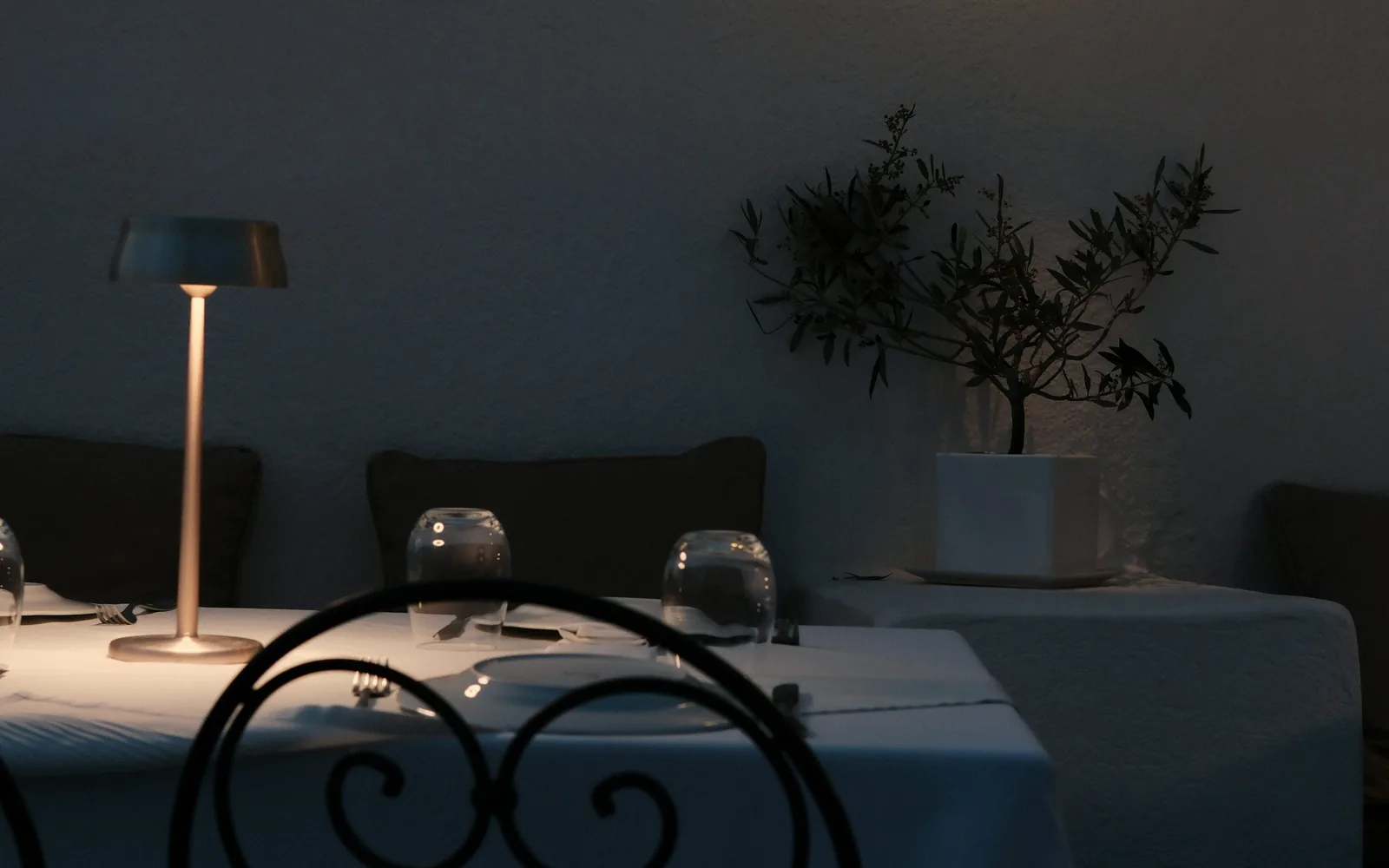
- Pick busier restaurants over quiet, romantic ones, at least at first. A loud, bustling place makes a solo table feel completely unremarkable — you disappear into the noise and energy. A hushed, candlelit spot with three other tables makes solitude more visible than it needs to be while you're still building comfort with this.
The Turn
Somewhere after enough solo meals, something flips. The awkwardness doesn't just fade — it inverts. The empty chair across the table stops feeling like an absence and starts feeling like space. Space to actually taste the food instead of performing enjoyment of it for someone else's benefit. Space to notice the room, the light, the way a dish was plated, without narrating any of it out loud.
People who eat alone often enough eventually report the same thing, almost word for word: they start choosing it, not just tolerating it. Not every meal — company is genuinely good, and nobody's arguing otherwise. But some meals are better solo, precisely because there's no one to perform for and nothing to negotiate.
The Actual Skill
Solo dining isn't really about food at all. It's a small, repeatable rehearsal for being comfortable in your own company in public — which turns out to be a broader skill than just restaurants. Once you can sit at a table for one without your chest tightening at the door, a lot of other solo-travel moments get easier too. The train alone. The museum alone. The evening in an unfamiliar city with no plans and no one to check in with.
It all starts at the same place: saying "just one" and meaning it like it's not a big deal. Eventually, it isn't.
Good solo meals are easier to find with the right recommendations — YoCompass's Dining & Food pillar surfaces solo-friendly spots and reservations built for exactly this, wherever you land.